April 15, 2026 · 4 min read
From Astrophotography to Music Photography
It is the photographer's role to choose what will be shown and what will be left out, what emotions will be stirred in the viewer.
Astronomy & Photography
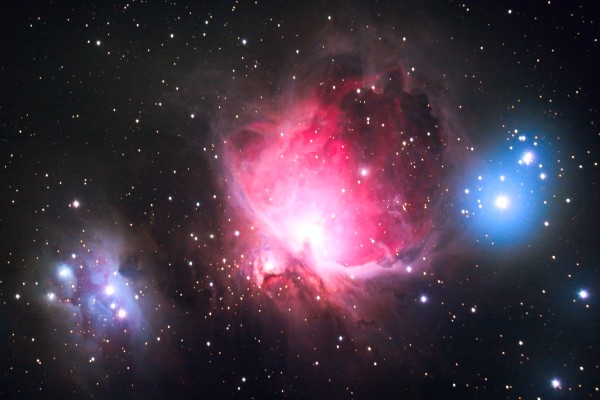
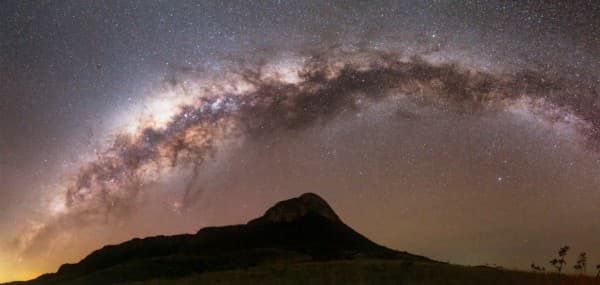
Around the same time I began practicing photography, I was also nurturing a deep interest — actually, a hyperfocus — in Astronomy. When I realized it was possible to capture the wonders of the night sky and the universe through my camera, I was ecstatic. Nothing seemed better than combining the two subjects that fascinated me the most: Astronomy and Photography — leading me to the practice of Astrophotography.
The Technical Challenges
It's funny to look up at the night sky, see the Moon, and try to take a photo — even with a phone — only to realize just how difficult it is to get a correct exposure that captures the same landscape our eyes see. It's simply not possible to reproduce the same scene in a single shot. This happens because cameras don't have the same resolution and high dynamic range as our eyes. But that's a topic for another time.
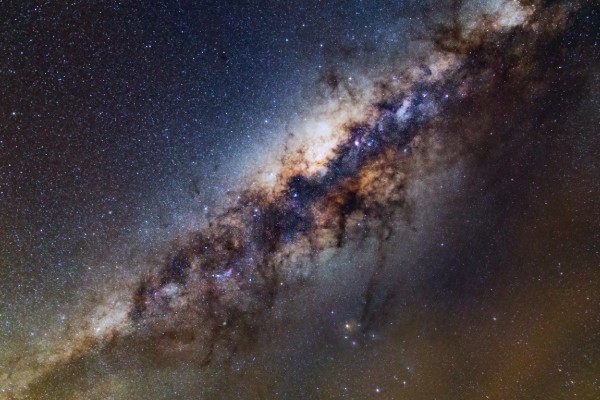
I began to understand the challenges of night photography: long exposure times, high ISO, wide aperture. Stability becomes essential — heavy tripods and sometimes motorized tracking mounts to compensate for Earth's rotation. I also started exploring my artistic side, weighing faithful representation of reality against a more romantic portrayal of what the universe could be. There are many photos online showing the Milky Way in unreal colors — purple, red, blue — while its true tone is a softer, more yellowish amber, far less intense than those depictions suggest.
Somewhere I read that it is the photographer's role to choose what will be shown and what will be left out, what emotions will be stirred in the viewer. And this is a very important role, especially today, when Artificial Intelligence also competes for our attention and shapes narratives.
What Astrophotography Gave Me
Astrophotography gave me the foundation to feel comfortable shooting in adverse lighting conditions; it gave me the patience to endure timelapses that took over 4 hours to capture; it trained me to process hundreds of images through complex workflows to reach a result that satisfied me visually and that I felt truly represented reality as I saw it.
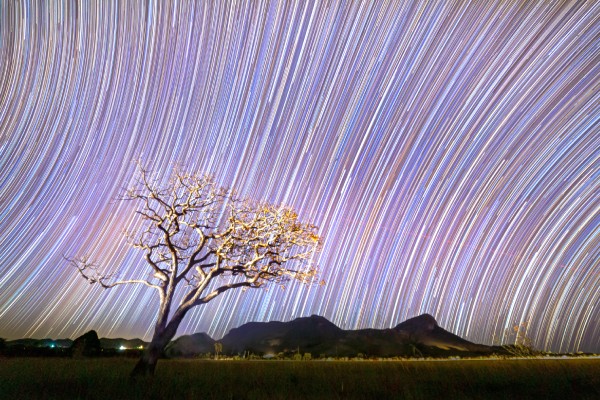
When I stepped into music photography, despite feeling very comfortable shooting at high ISO, I ran into a whole new set of challenges. Before, I had time to nail focus using a laser pointer, my subjects — the stars in the sky — barely moved, and my composition was carefully dialed in on a tripod. Now, I had to pull focus quickly in low light, build varied compositions to avoid repetition, keep moving constantly, and shift the ISO-shutter-aperture triangle on the fly to make the most of a new angle.
Technique and Emotion
Although these were new challenges, I already had a solid foundation. What I was missing — which I started to develop when I connected with music — was artistic vision. The kind that often prizes technical excellence and leaves emotion behind. I discovered that in some situations, a deliberately out-of-focus shot is exactly what it takes to convey the emotion felt in that moment.
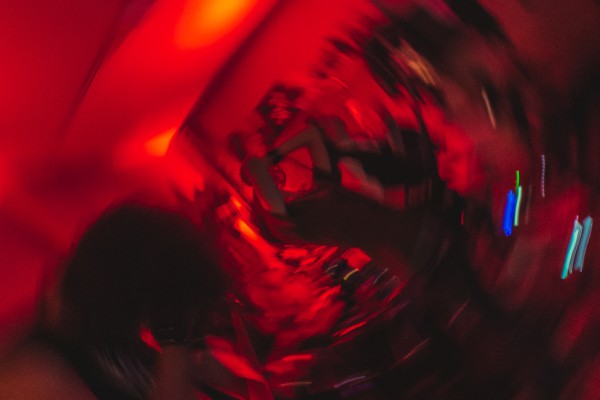
And it is with this conclusion that I continue on my path: The Universe alone is so fascinating that it demands flawless technique to convey the sense of its grandeur. Artistic performance demands emotion, and there is no perfect technique for capturing emotion. The technique, more often than not, is to move with the music.